
Memphis, Tennessee
American Recording Studio
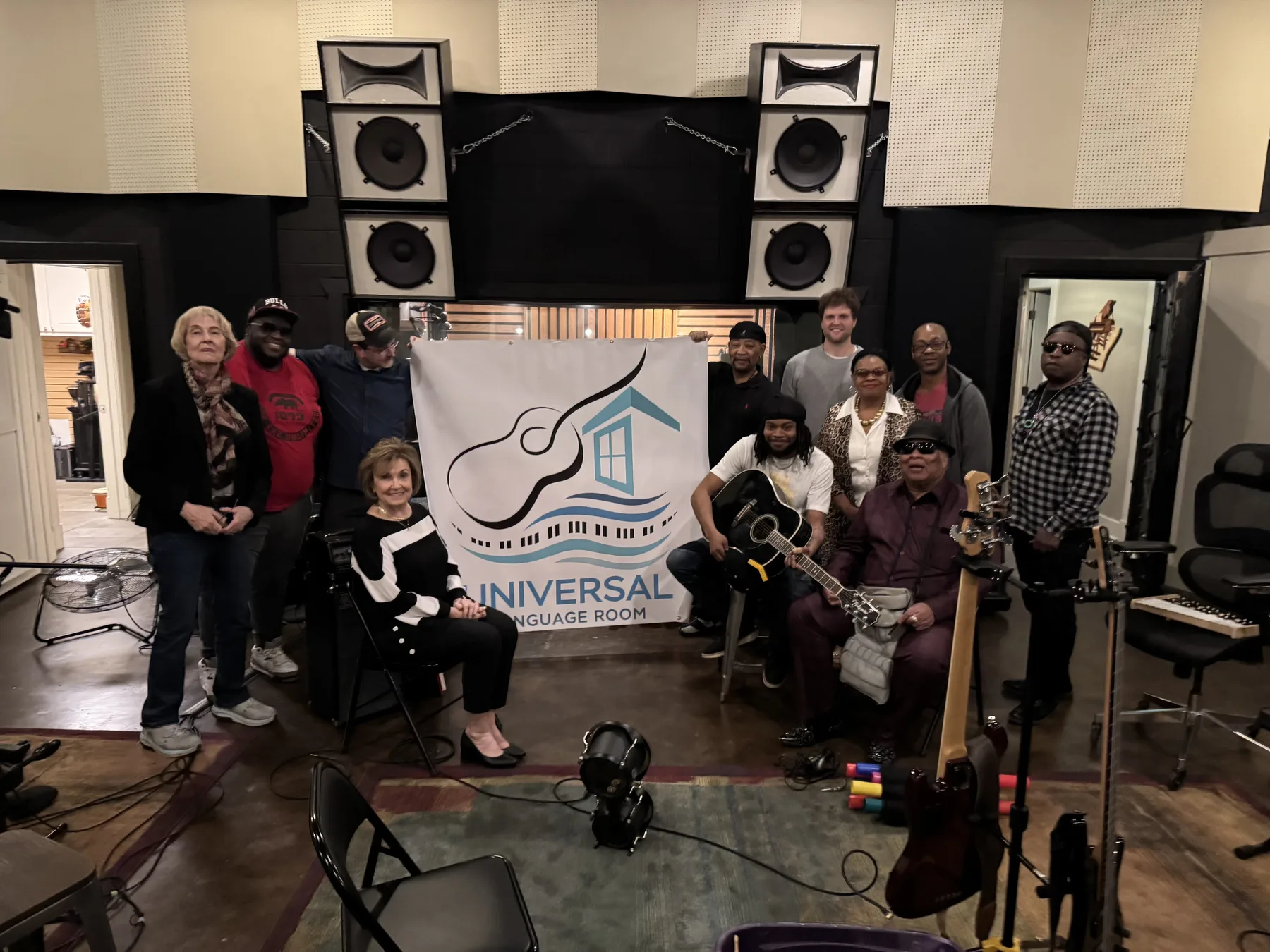
A session with Bridge Institute board members and Blind Mississippi Morris.
The Universal Language Room is a framework, not a musical style to copy. Each community brings its own instruments, traditions, rhythms, and ways of gathering.
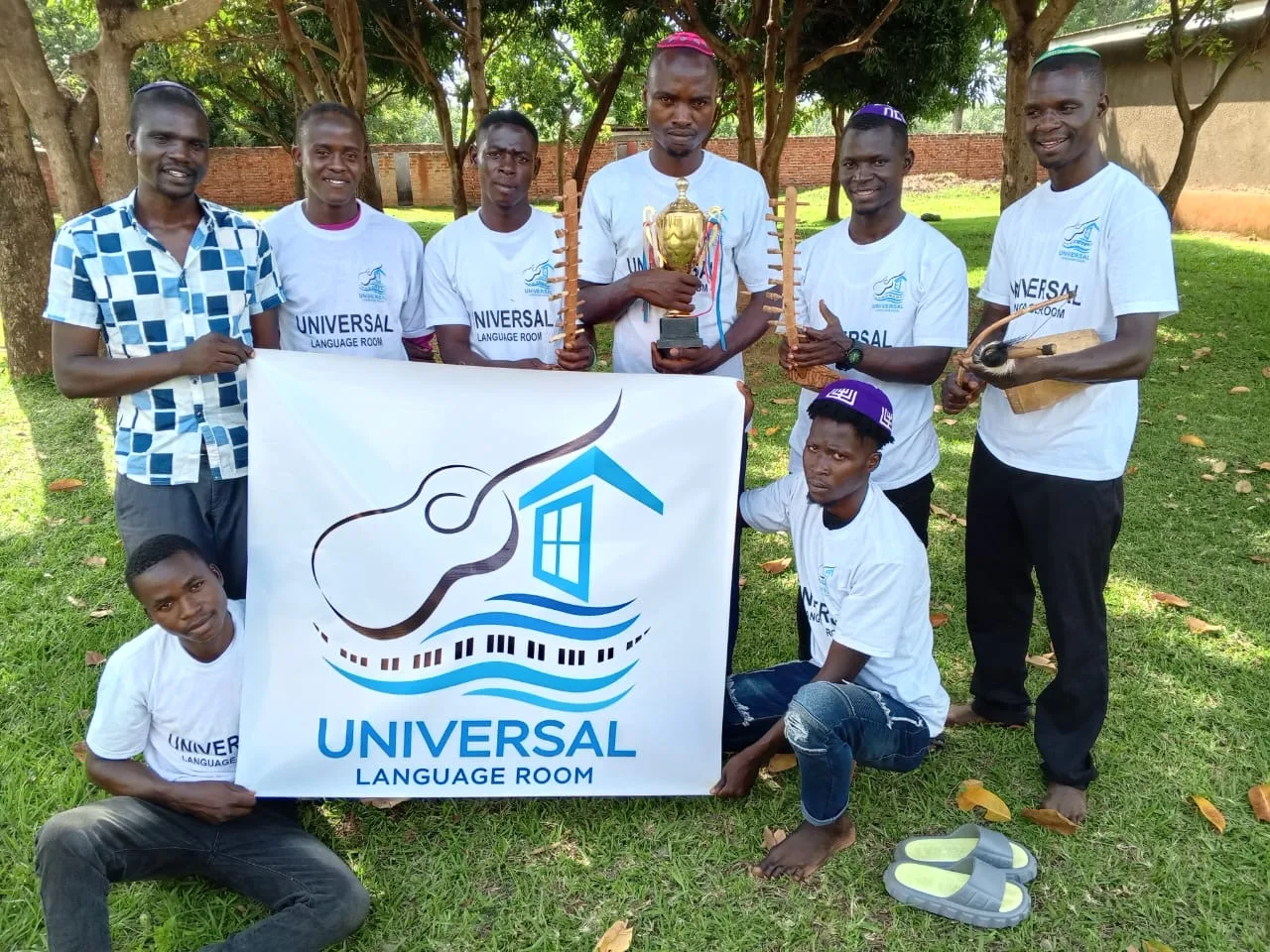
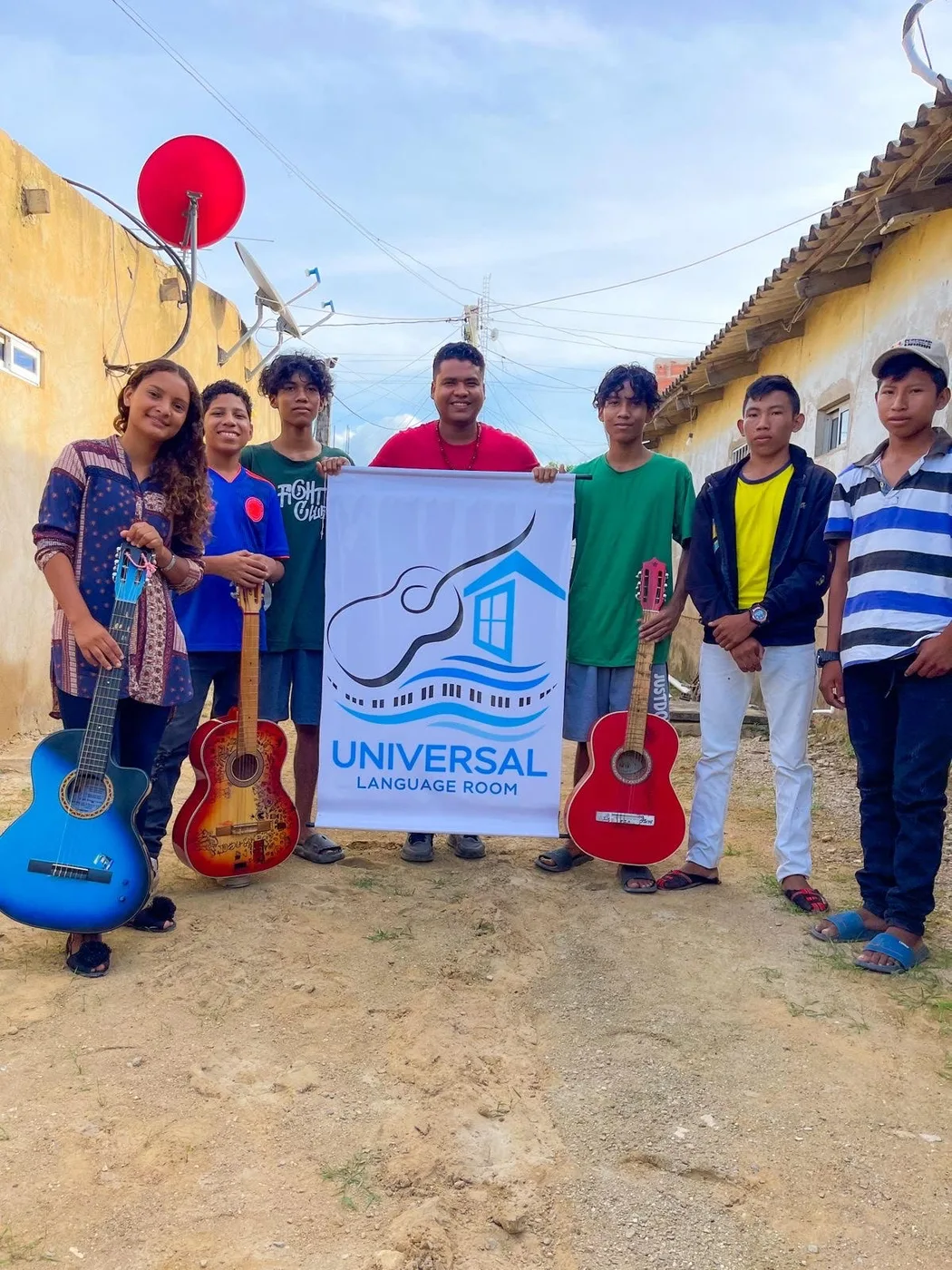
Every program retains the core gestures of listening, offering, answering, and building together. The community brings its own instruments, traditions, rhythms, and ways of gathering.
The framework stays simple, but the sound belongs to the people in the room.
The Universal Language Room was never meant to sound the same everywhere.
The Institute’s previous public site identifies fifteen Universal Language Room programs. Across that history, musicians and communities interpreted the idea through their own instruments, traditions, rhythms, and relationships. Sessions are represented from Memphis and New Jersey to Israel, Uganda, Colombia, Indonesia, Sri Lanka, Punjab, and Rajasthan.
A handpan in New Jersey. Tabla in Sri Lanka. Musicians gathering in Uganda and Colombia. Traditional artists in India. Each room begins with the same simple invitation: listen, respond, and create something together.
The structure travels. The music belongs to the people in the room.
A session with Bridge Institute board members and Blind Mississippi Morris.
Handpan permutations demonstrate how a small musical alphabet can produce many melodies.
Guitar and voice carry the framework through a local musical performance.
Celebrating the launch of a new Universal Language Room.
A conversation about developing a locally led Universal Language Room in Putti.
A discussion with the Balinese master musician about a Universal Language Room in Indonesia.
A locally led public demonstration of the Universal Language Room.
Tala and tabla demonstrate permutation through rhythmic and melodic organization.
A Universal Language Room session led through local musicianship.
A session shaped by local musical tradition and response.
A Universal Language Room gathering led by a local collaborator.
Harmonium permutations become a vehicle for listening and exchange.
The sarangi carries the musical conversation in a local interpretation of the room.
A tabla phrase, a handpan pattern, a harmonium line, a blues response, and a first-time participant’s four notes do not need to become identical. The room asks whether difference can remain audible and still belong.